
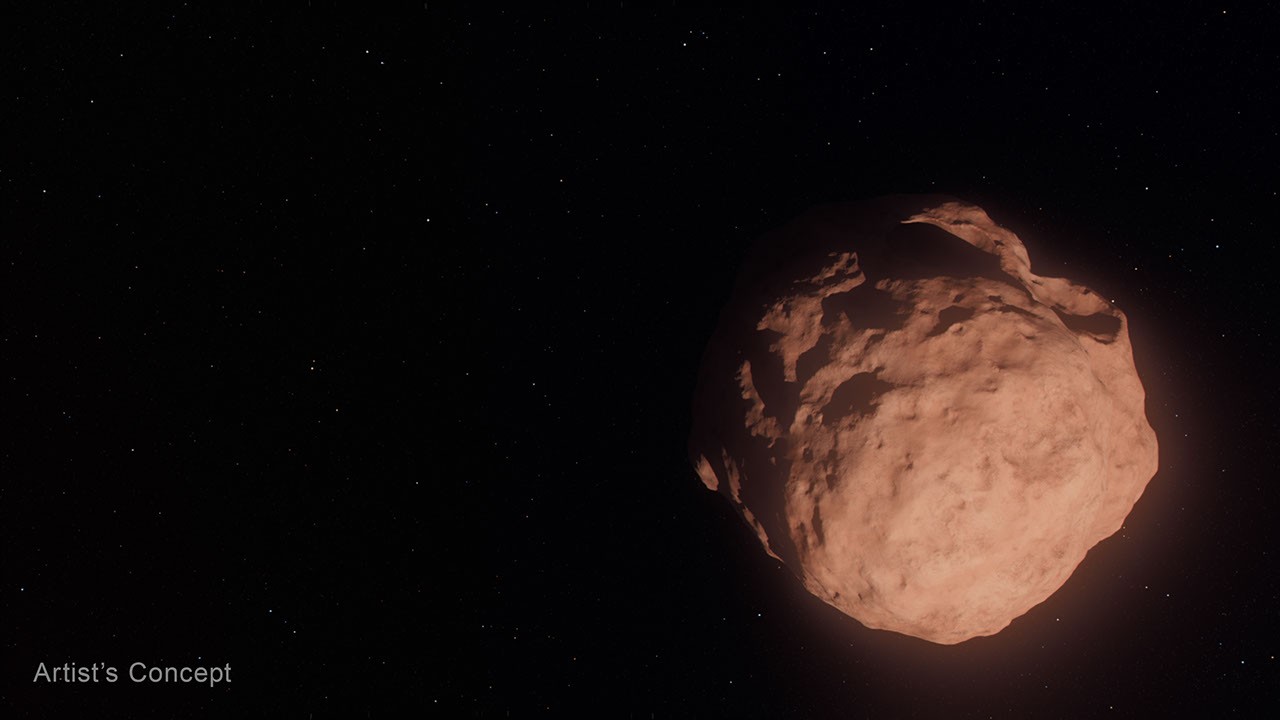
Beyond Neptune, small icy bodies preserve traces of the Solar System’s early development. Coordinated observations with Hubble and Webb have identified 27 additional tiny trans-Neptunian objects and examined their surface colours.
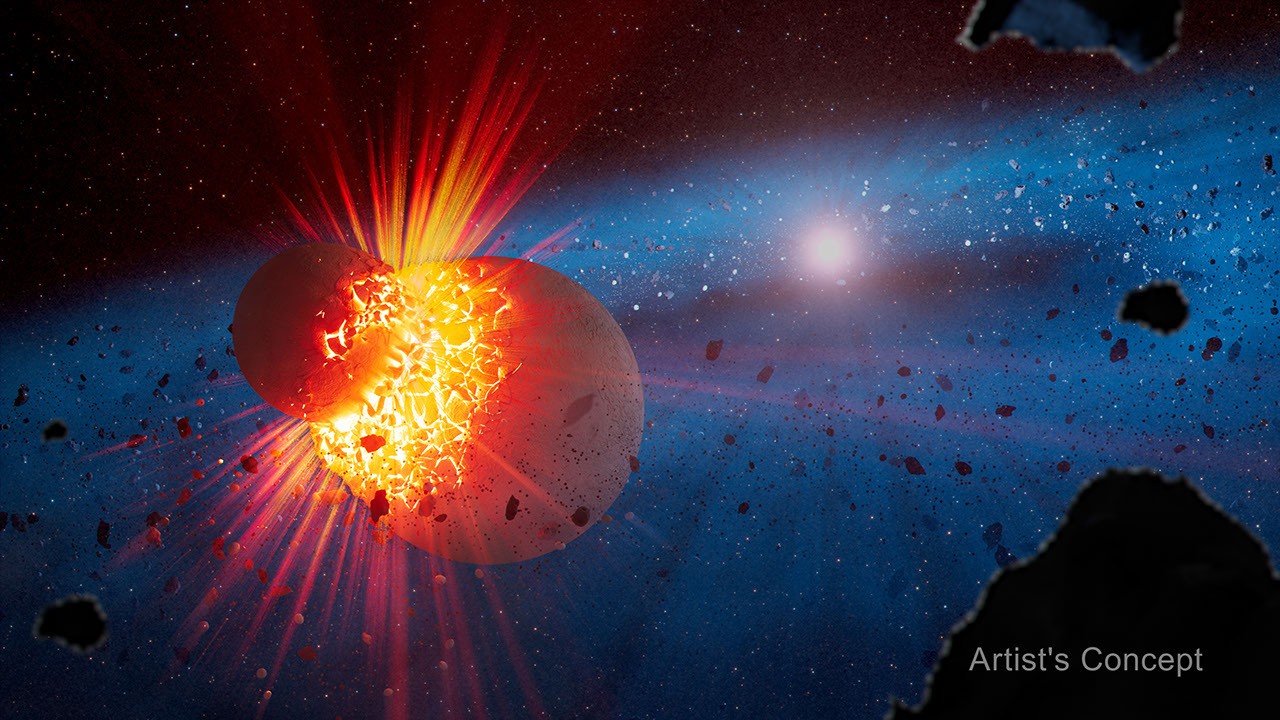
The observations found fewer small objects than some predictions suggested. Their colours also resemble those of larger objects in related populations. That pattern supports the idea that some are surviving original planetesimals, rather than fragments produced by later collisions that would mix different surface materials.
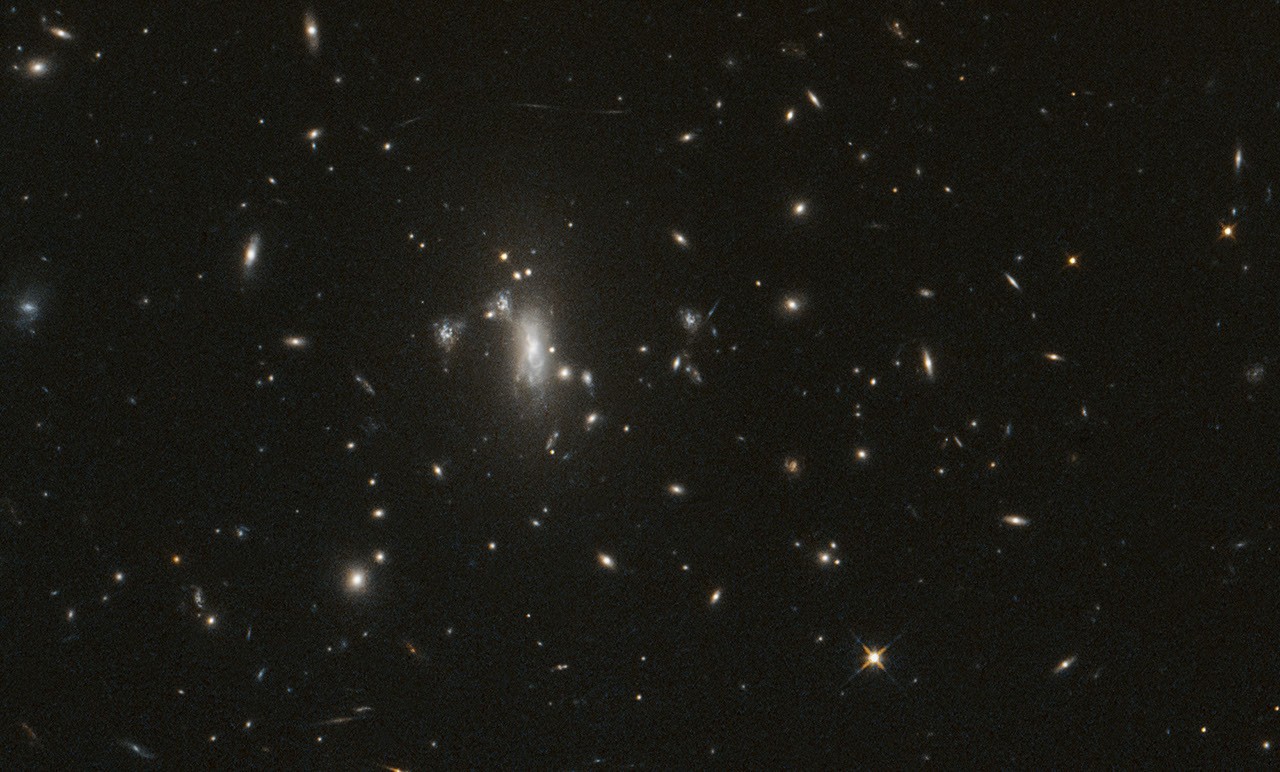
Hubble observes visible light while Webb extends the comparison into infrared wavelengths. Together, they provide a richer fingerprint of these faint surfaces. The findings help distinguish relatively undisturbed populations from objects displaced during the giant planets’ migration, adding evidence to the story of how our planetary neighbourhood took shape.
Source: NASA report (2026-09-08).